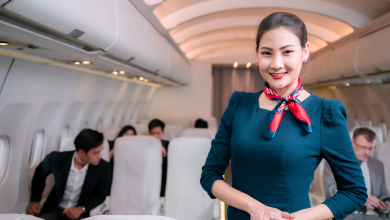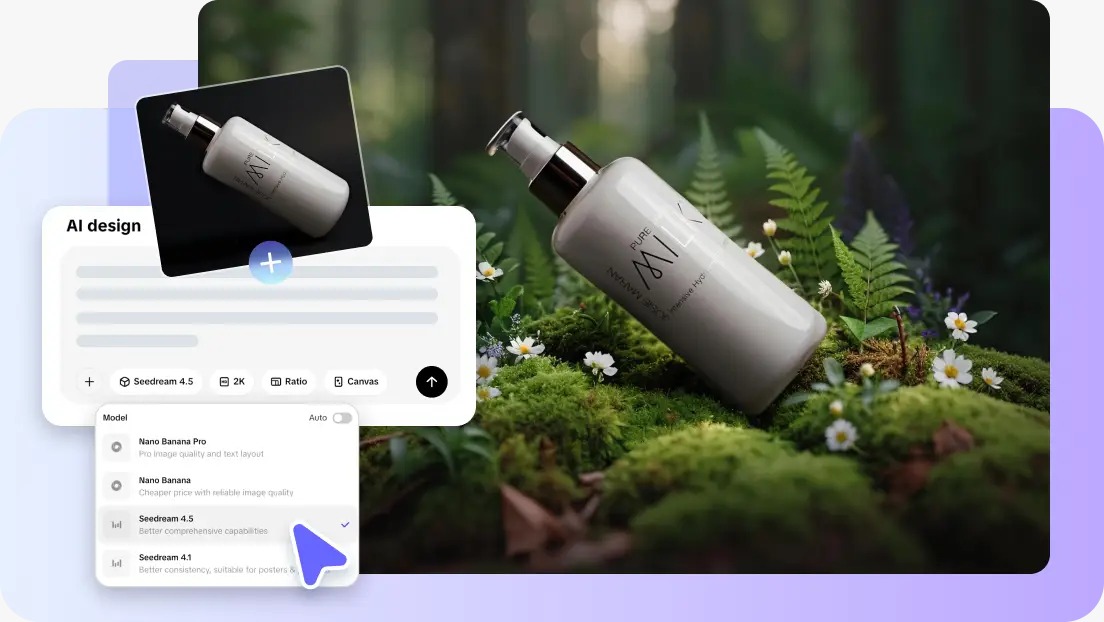
In cabin crew videos, transitions are critical components that keep scenes together and allow the flow of storytelling. Bad transitions can ruin immersion and cause the audience to lose track of the story. Conventional editing usually demands precise timing, handwork, and a solid sense of pacing, which may be time-intensive for creators. AI-powered video editors automate this by intelligently choosing and applying transitions that are appropriate to the content, visual style, and motion of the scene. Pippit and other platforms allow creators to leverage AI-optimized transitions to save a lot of time without compromising quality. AI allows the cabin crew to concentrate on telling the story without the need to spend time manually tweaking each cut or effect.
Understanding the Role of Transitions in Cabin Crew Video Editing
Transitions help cabin crew move visually through the storytelling process, linking one clip to another without losing the clarity of the narrative. They keep a video moving, and the audience is entertained until the end. The impact of a gradual movement averts the abrupt alteration of the scene that may confuse or divert the viewer. Artificial intelligence simplifies it by automatically processing the visual and temporal data of every clip and choosing the most suitable transition depending on the context. Using a free AI video editor, cabin crew can apply these transitions consistently without extensive manual adjustments. This ensures all cuts and effects are consistent with the desired mood and that the story’s narration remains consistent and visually engaging.
Types of AI-Optimized Transitions for Different Cabin Crew Video Styles
Certain kinds of transitions are beneficial to different cabin crew video styles. Fade transitions fit well with emotional or relaxed narration, providing a natural transition between scenes. Slide transitions add dynamism and energy, which is appropriate in promotional or dynamic content. Zoom effects stress products or certain points, which is a good way to draw the viewer’s attention. Cut transitions are frequently used in quick videos to maintain rhythm and intensity. AI-driven editing tools, including cartoon character maker features in some creative suites, can tailor transitions to the video’s style, ensuring that each clip change feels deliberate and polished. AI selection also removes the guesswork by automating it and providing transitions that match the content’s tone and pace.
Steps to Apply AI-Optimized Transitions During Cabin Crew Videos Smoothly With a free AI video editor
Step 1: Start Transition Optimization
Access Pippit and sign up to start applying AI-optimized transitions to your video projects immediately.
Go to the “Video generator” tab from the dashboard to create videos with smooth transitions.
Enter a text prompt exactly describing how you want transitions to appear in your video footage.
Click “+”, then upload your image, video, file, or link to use for effective transition enhancements.
Select “Pippit Lite” mode, then choose the video length, language, and aspect ratio for your project.
When prepared, click the “Generate” tab to let AI handle transition optimization automatically.
Step 2: AI Applies Transitions
After clicking “Generate”, the AI video generator in Pippit applies transitions smoothly without manual effort.
The AI video editor automatically manages transitions, pacing, and other visual enhancements during video processing.
It automatically adds avatars, voice, lyrics, captions, and photos or videos for the final professional touch.
You will receive 4 to 5 drafts to choose the video version with the smoothest transitions.
Click “Edit more” to open the Pippit editor and manually refine transitions if needed.
Step 3: Fine-Tune and Export
After video generation, you can edit captions, add text, and adjust size, color, and alignment accurately.
You can also tweak filters, apply effects, add background music, and remove backgrounds for perfection.
Once satisfied, click the “Export” tab in the top-right corner to save or publish immediately.
Select “Publish” for social media posting, or “Download” to save with desired settings and format.
AI Technology Behind Automatic Transition Selection In Cabin Crew Videos
AI interprets visual, movement, and color patterns to identify where transitions can be naturally located. The software anticipates such points to maintain a smooth, visually consistent flow. The system automatically reacts to the energy of the scene by modulating transition times to prevent abrupt and awkward transitions. Integration with tools like an AI background generator further enhances video quality by providing seamless environment adjustments that complement the transition. This automation will allow the editor to focus on creative direction, while the AI ensures technical consistency across all cuts.
Best Practices for Seamless Transition Design for Cabin Crew
Use regular transition styles to avoid startling visual contrast between clips. Timing should be adjusted, transitions should neither be too slow nor too sudden. Apply match transition types to the video’s tone and context, and use subtle styles for professional content and dynamic ones for active sequences. Make transitions follow the scene’s flow to maintain image continuity. Effects should be used sparingly, as too many transitions can take away from the story. Adhering to these principles, creators guarantee that each change of scenes is purposeful and adds to the flow of the narrative.
– Consistent Transition Style: Apply similar types of transitions throughout for a uniform look.
– Timing Optimization: Ensure durations are carefully adjusted to prevent abrupt or slow shifts.
– Context-Based Effects: Match transitions to video tone and maintain professional subtlety.
– Motion Continuity: Align transitions with movement directions to preserve natural flow.
– Minimalistic Approach: Avoid overusing effects to keep storytelling clear and focused.
Improving Viewer Engagement Through Smooth Editing For Cabin Crew
Harmonious transitions keep the viewer engaged and make the pacing appear natural during the cabin crew video. AI editing ensures scene uniformity, avoiding drastic shifts that may distract viewers. The virtue of flow makes storytelling clearer and easier for the audience to follow. Transitions of professional quality enhance the overall perception of the content, indicating increased production value. Polished results can be achieved with automated tools, and creators can prioritize creative decisions over technical ones, which eventually enhances engagement across platforms.
Conclusion
The changes play a crucial role in preserving rhythm, clarity, and visual continuity in any cabin crew video project. This is facilitated by AI-driven editors such as Pippit, which automatically select transitions based on the scene’s situation and visual tone. By using a free AI video editor, creators can produce professional-quality videos efficiently while ensuring smooth storytelling across every scene. Well-implemented AI-optimized transitions not only increase viewer interest but also provide content with a smooth, interconnected, and aesthetic look.