Airplanes and casinos may seem worlds apart, yet both pulse with risk and reward. Whenever a flight attendant clicks a seat belt or a gambler drops chips on felt, training meets chance. For travelers who crave adventure, comparing the dangers of the sky to the promises of a gaming floor is irresistible. While hunting trip ideas, someone might visit www.wazamba.ie, a site that brings slot lights to a phone long before boarding. Thinking about spinning a virtual wheel while cruising at 600 miles per hour sparks one question: how do these two worlds align? By peeking behind the curtain, anyone can learn why attendants accept turbulence as part of the job and why players chase jackpots despite steep odds. Fasten a belt, shuffle the cards, and explore how courage, caution, and curiosity connect miles in the air to neon-lit halls. So grab a seat and listen; the journey begins now.
The Daily Risks at 35,000 Feet
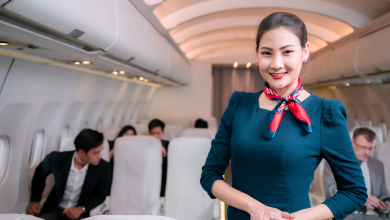
From the outside, a flight attendant’s job looks like simple drink service, yet it hides layers of responsibility. Crews master safety drills, memorize emergency codes, and handle medical surprises— all while keeping smiles steady. At cruising altitude, the cabin becomes a pressurized tube where fires spread fast and liquids boil low. Even a pocket of clear-air turbulence can send a cart flying. Attendants train with weighted dummies and flame blankets before greeting passengers. Risk also comes from people. One unruly traveler can force a diversion that costs thousands and wrecks connections. Still, teamwork, checklists, and calm voices tame the unpredictable. Their payoff is not a jackpot but the chance to land everyone safely and collect grateful thank-yous at the door. Each completed route is proof that preparation works, and that quiet victory fuels the next flight. Remembering these hidden stakes adds respect to the safety demo many passengers tune out.
The Lure of Bright Lights and Big Chances
Casinos offer a different kind of cabin—one lined with bells, lights, and constant soundtrack loops. The air smells of anticipation instead of jet fuel. Players walk in knowing the math rarely favors them; yet the promise of a single life-changing payout keeps seats filled. Each game carries its own risk curve. Blackjack rewards memory and discipline, while a slot machine depends almost entirely on luck. The house edge, like gravity, never stops working, but clever promotions and free drinks soften the reminder. Dealers, much like flight attendants, follow strict procedure: shuffle counts, pit boss approvals, and camera coverage guard against chaos. Still, uncertainty is the very product being sold. When the dice roll across green felt, onlookers hold breaths, sharing a moment of suspense. Win or lose, gamblers purchase a story to tell friends later, and that story becomes the prize for many visitors leaving under neon skies at dawn.
Comparing Skills: Calm Service vs Calculated Bets
At first glance, the skill sets of a flight attendant and a seasoned gambler appear unrelated, yet both thrive on reading subtle cues. An attendant scans rows for nervous fidgeting, loose seat belts, or hidden illness. A gambler studies body language, table mood, and the rhythm of shuffled cards. Quick pattern recognition lets each person make fast choices that may prevent loss or create gain. Both practice bankroll management, though one handles time and equipment rather than chips. When turbulence is forecast, attendants ration meal service the way card players preserve betting units during cold streak. Communication is another shared tool. Chatter helps soothe anxious passengers and masks tells at a poker table. Above all, confidence balanced by respect for odds defines success. Neither professional can eliminate danger, but each learns to work with it, turning uncertainty into a structured game where preparation tips the scale toward a favorable outcome.
Lessons Travelers Can Take from Both Worlds
Most people may never pour coffee at altitude or count cards for a living, yet these careers offer practical tips for any journey, for curious wanderers. First, preparation lowers fear. Reading the safety card or studying hotel exits copies a gambler learning rules before wagering. Second, set limits. Flight crews follow duty hours, and casino visitors know when to cash out; travelers should do the same with budgets and energy. Third, trust professionals. Pilots and pit bosses enforce rules to protect everyone, so listening saves time and money. Finally, celebrate small wins. A smooth landing or a buffet voucher may not make headlines, but noticing tiny victories lifts mood for the next leg of a trip. By blending airline discipline with gaming excitement, vacationers craft adventures that are bold yet balanced, turning unknowns into manageable milestones. Keeping a travel journal locks these lessons into memory for future flights or spins.
Balancing Risk and Reward in Everyday Life
Outside airports and casinos, regular life still asks people to weigh danger against benefit. Choosing a new job, investing in a startup, or even tasting an unfamiliar dish all echo the logic of a flight assignment or a wager. Wise planners begin with research, build a safety net, then act decisively. That pattern mirrors the way a cabin crew runs checklists before departure and how a roulette enthusiast converts cash to chips after studying the odds board. The reward is progress— landing in a city, growing savings, or discovering a favorite food. Failures land softly when limits are set in advance. Friends, mentors, and exit strategies serve as the seat belts and emergency slides of decisions. By remembering that every bold step carries both turbulence and jackpot potential, anyone can live with the same curiosity shown by attendants in the aisle and players at the table, turning moments into adventures.